
.webp)
-1.webp)
-1.webp)
-2.webp)

-2.webp)
-1.webp)

RESIDENTIAL
What Does Duplex House Mean? Types and Room Layouts Explained
•
7 mins read
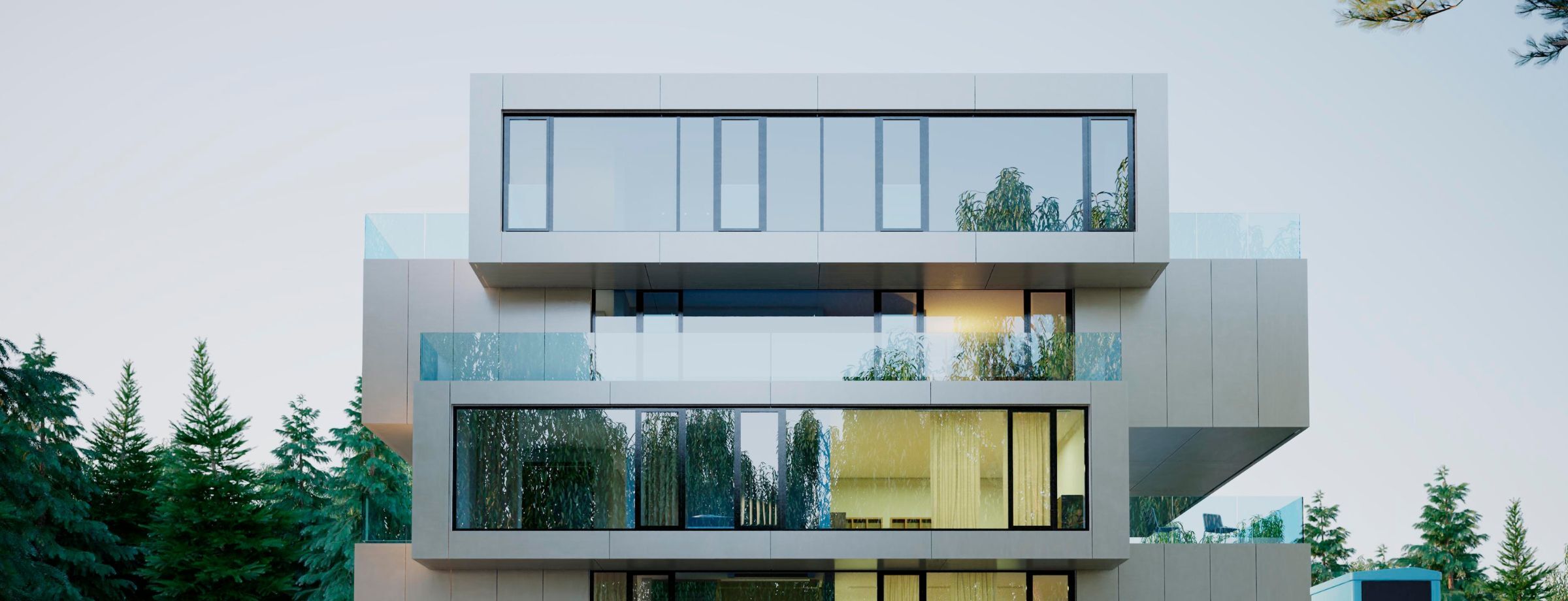
Homebuyers today seek more than just space; they look for smart layouts that combine privacy, flexibility, and value. Among the many housing types available in India, the duplex in-house category has become increasingly popular. It blends the independence of a bungalow with the practicality of an apartment.To make an informed choice, it’s important to understand the concept of a duplex house and how it compares with flats or rooms.
What Is a Duplex House?
A duplex is a residential building that features two homes built either one above the other or side by side, connected internally by a staircase. In simple terms, the meaning refers to a two-story house within a single unit that allows one family to occupy both levels or, in some cases, two families to share the same structure with separate living spaces. To better understand what is meant by a duplex house, think of a layout where the living area and kitchen are on the ground floor, while bedrooms are on the upper level, offering privacy and convenience. In Indian housing, the duplex in-house concept provides the spacious feel of a villa while being more affordable and easier to maintain. Builders often use the term duplex flat for premium apartments with internal stairs connecting two levels, while the meaning refers to a single accommodation that spans two connected floors for a more open and airy living experience.Key Features That Make a Duplex House Unique
Every duplex structure offers a distinct lifestyle experience. Here are the defining duplex characteristics that make these homes stand out:- Multi-level living: The most noticeable aspect is its vertical design, offering separate areas for relaxation, work, and social gatherings.
- Private entrance: Most duplexes have an independent entry point, giving residents a sense of exclusivity.
- Separate units: In some designs, the upper and lower floors can be divided to accommodate two families while maintaining privacy.
- Spacious layouts: Duplexes often feature open-plan living spaces, larger bedrooms, and extended balconies.
- Better light and ventilation: With windows on both levels, they enjoy improved airflow and natural light compared to compact flats.
Types of Duplex Houses
The duplex types available in India vary depending on design preferences, land availability, and budget. Builders use different layouts to meet diverse buyer needs, from modern city houses to suburban houses.Standard Duplex House
A standard duplex house typically includes two floors connected by an internal staircase. The ground level houses common areas like the living room, dining space, and kitchen, while the upper floor includes bedrooms. This design is the most popular in urban residential layouts.Low-Rise Duplex
A low-rise duplex is built within a small residential complex, often featuring limited floors. It combines the benefits of flat living with the privacy of an independent house. These units are common in cities where land is scarce.Ground Duplex House
In a ground duplex house, both floors are part of the lower structure, often extending partially below ground level or on an extended ground floor. It’s ideal for those who prefer direct garden or terrace access.Side-by-Side Duplex
The side-by-side duplex design includes two homes built next to each other, sharing a common wall but with separate entrances. This format is perfect for joint families who want proximity yet personal space.Front-Back Duplex
A front-back duplex divides the property into two separate homes placed one behind the other. Both have independent entrances, ensuring privacy while optimising land use. Each Indian duplex style caters to different living needs, offering flexibility in layout, functionality, and budget.Duplex House vs Flats and Rooms
When comparing duplex vs flat, the most evident difference is in design and ownership style. A duplex in a house offers two connected levels within a single property, while a flat is a single-level unit within a multi-storey building. Here’s how they differ:- Space: A duplex provides more living area and private zones, while a flat offers compact, single-floor convenience.
- Ownership: Flats are part of large housing societies, whereas duplexes often come with partial land ownership or more autonomy.
- Maintenance: Flats usually have shared maintenance costs, while duplex owners manage their own upkeep.
- Privacy: Duplexes provide greater seclusion, with fewer shared walls and entryways. In essence, the difference between duplex and flat lies in design depth, lifestyle, and ownership experience.
Duplex House Design and Construction Costs in India
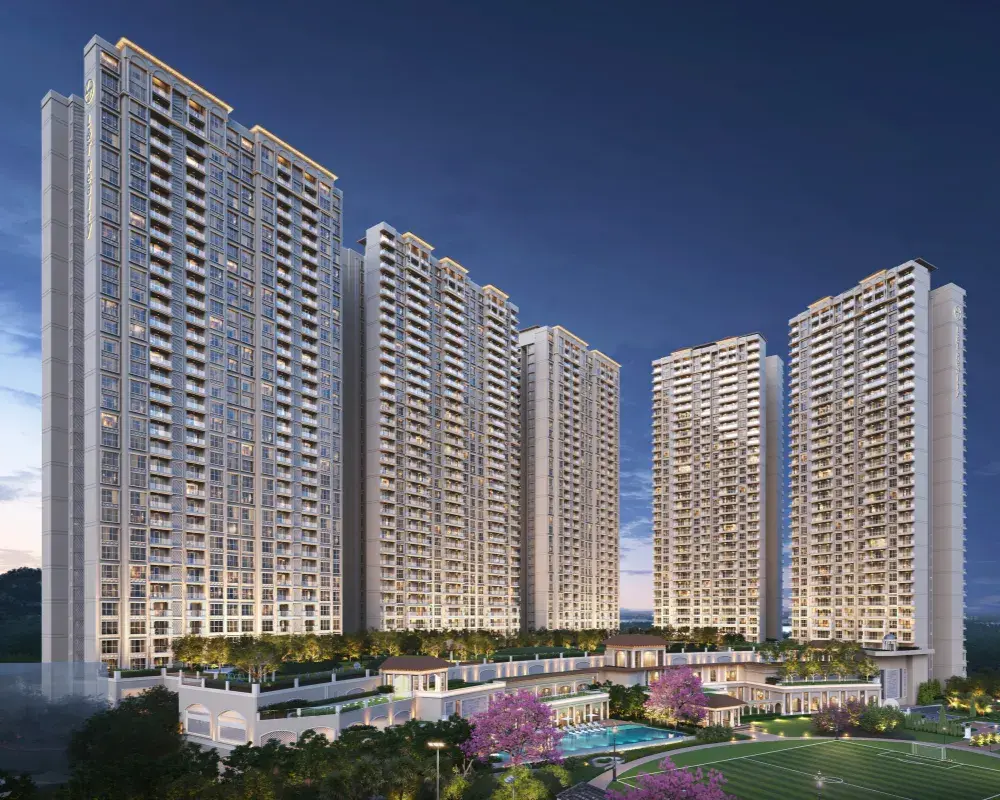
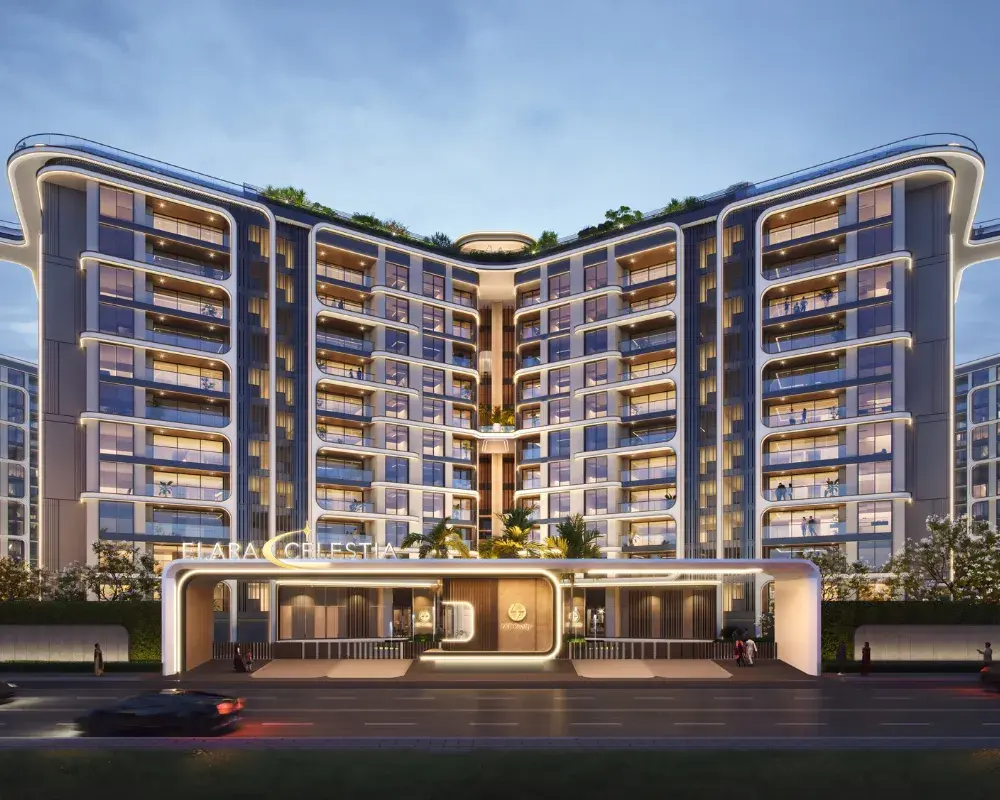
Designing and building a duplex house requires careful planning, as costs depend on factors such as location, layout, materials, and amenities. When exploring duplex design, architects in India often optimise for functionality, natural light, and open layouts. Depending on the city, location, and quality of finishing materials, a duplex layout cost can vary and may start at around Rs 1,500 per sq. ft. for basic finishes. Some of our residential projects offer two-level homes within thoughtfully planned communities, such as Elara Celestia in Bangalore, which provides luxury 3, and 4 BHK flats with duplex-style living.Pros and Cons of a Duplex House
| Aspect | Pros | Cons |
| Investment | Good resale value and rental potential | Higher initial construction and furnishing cost |
| Space | Offers a larger living area than a standard 2 or 3 BHK flat, typically starting from around 1,500 to 2,500 sq. ft., with separate floors ensuring privacy and comfort. | Requires more maintenance and higher upkeep costs compared to compact apartments. |
| Privacy | Limited shared walls, private entrance | Better suited for families than individuals who prefer smaller spaces. |
| Flexibility | Can house two families or rent one unit | Managing tenants or shared use can be challenging |
| Design | Open layouts, better ventilation | Design limitations in small plots |
| Maintenance | Independent upkeep and control | The entire responsibility of the owner |