






.webp)


-1.webp)
-1.webp)
-2.webp)

-2.webp)
-1.webp)

RESIDENTIAL
The Difference between Builders and Contractors
•
7 mins read
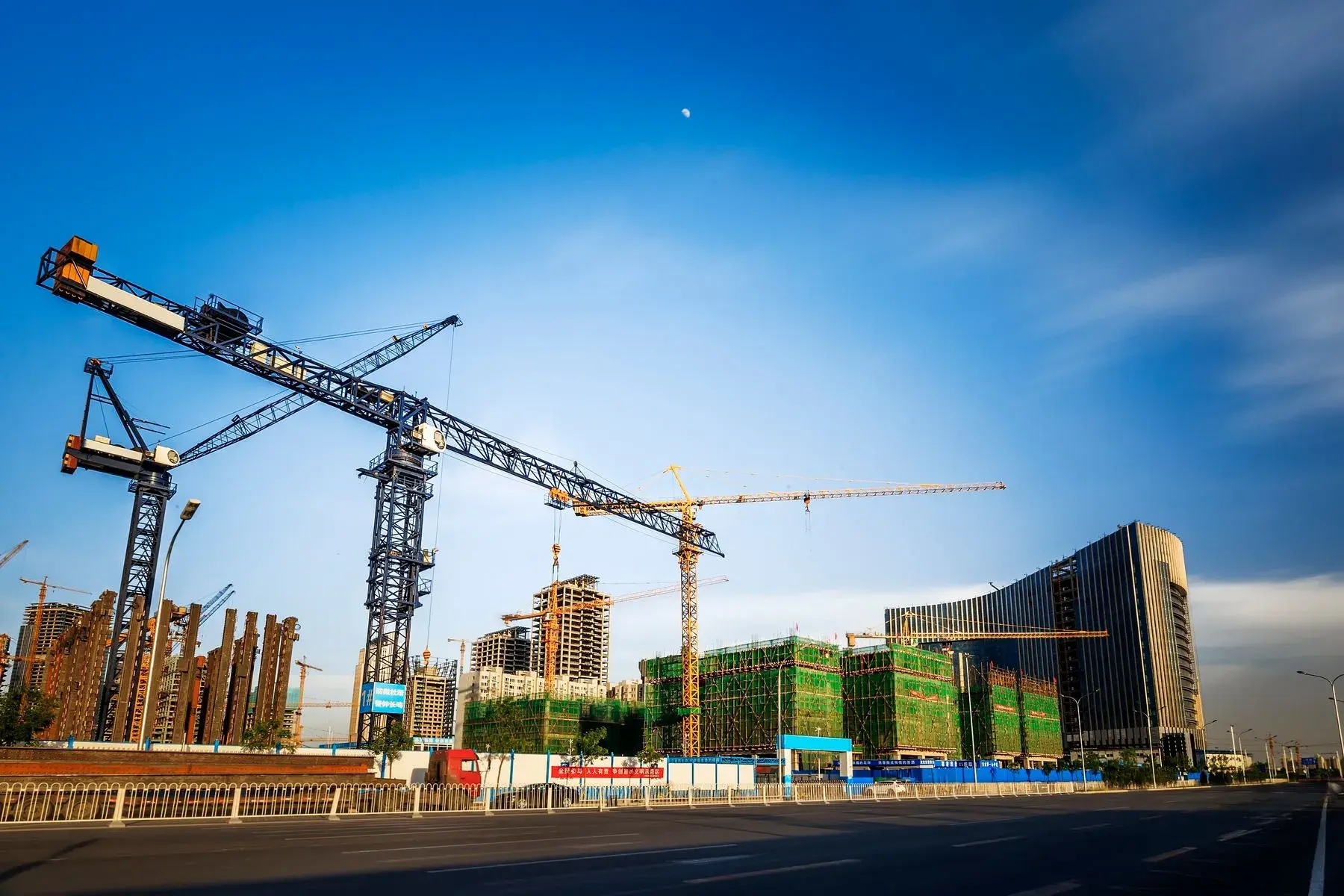
The construction industry is vast and complex, with numerous parties involved that contribute to bringing a project to life. Two such important parties are contractors and builders. Understanding the difference between builders and contractors is crucial for anyone involved in this field, from clients to professionals. Additionally, recognizing the roles of construction and developers will help you appreciate the entire scope of construction projects. In today's world, there's also a growing need for sustainable practices and technological advancements, making it even more important to understand these distinctions.
Detailed Definitions and Roles
Let's start by defining the key players in the construction industry:- Builders: Builders are often involved in the hands-on construction of buildings. They are the ones who physically construct the structure according to the design and specifications provided.
- Contractors: Contractors, on the other hand, oversee the entire construction process. They manage the workforce, procure materials, and ensure that the project is completed on time and within budget.
- Developers: Developers are responsible for the overall planning and development of construction projects. They typically handle the acquisition of land, financing, and the coordination of the design and construction phases.
Scope of Work for Each Role
Each role in the construction industry has distinct tasks and responsibilities: Builders: Builders often handle specific parts of the project and are typically specialized in certain construction techniques. Example: A builder might be contracted to construct the framework of a residential home. Contractors: They coordinate all aspects of the construction process, including hiring subcontractors, scheduling inspections, and ensuring compliance with local building codes. Example: A general contractor will oversee the construction of a commercial office building from start to finish. Developers: They are involved in the early stages of a project, such as site selection, zoning, financing, and market analysis. The primary role of developers is to ensure the project is viable and profitable. Example: A developer might work on a new housing development, securing land, financing, and coordinating the construction and sales process. Understanding the difference between builders and contractors helps clarify their specific contributions to a project.Project Lifecycle Involvement
The involvement of builders, contractors, and developers varies throughout the phases of a construction project:- Initiation Phase: This is where developers are most active, acquiring land, securing financing, and conducting feasibility studies.
- Planning Phase: Both developers and contractors are involved in planning the project timeline, budgeting, and resource allocation.
- Construction Phase: Builders take center stage here, working under the supervision of contractors to bring the project to life. Contractors ensure that the construction adheres to plans and regulations.
- Completion Phase: Contractors oversee the final inspections and ensure that all work is completed as per the specifications provided. Lastly, developers prepare the property for sale or lease.
Collaboration Over Global Perspectives
As discussed in the case study as well, effective collaboration between builders, contractors, and developers is crucial for project success. Using tools like BIM (Building Information Modeling) and project management software, these roles can coordinate more effectively. Technological advancements have significantly improved how construction and developers work together, ensuring projects stay on track and within budget. The roles of builders, contractors, and developers vary across different markets. For instance, in some countries, the developer's role may include more direct involvement in construction, while in others, contractors might take on more responsibilities. Case studies from different countries reveal these variations and provide a global perspective.Regulatory and Compliance Aspects
Understanding and adhering to building codes, permits, and regulations is essential in construction. Each role has a part to play: developers often initiate the compliance process, ensuring the project meets zoning laws and other regulations. Contractors ensure that the construction adheres to these codes, while builders implement these standards onsite. This collaboration ensures that all necessary approvals are obtained, highlighting the difference between builders and contractors in ensuring regulatory compliance.Emerging Trends and Technologies
The construction industry is being transformed by emerging trends and technologies, leading to more efficient, sustainable, and innovative practices. Builders, contractors, and developers who embrace advancements are better equipped to meet the demands of modern construction projects and deliver higher-quality results. By staying informed about trends and integrating new technologies into their workflows, construction professionals can enhance their competitive edge and contribute to the industry's ongoing evolution. Here are some trends and technologies that have changed the face of the construction industry:Building Information Modeling (BIM)
BIM is a revolutionary tool that allows for the creation and management of digital representations of physical and functional characteristics of places. It supports the coordination between different roles in construction, from planning to execution.- Example: A contractor can use BIM to detect potential clashes between plumbing and electrical systems before construction begins, saving time and costs.
Green Building and Sustainability
As we discussed earlier, sustainability is a growing priority in the construction industry. Practices and technologies that minimize environmental impact are increasingly adopted by builders, contractors, and developers. Green Building Technologies:- Energy-efficient systems: Solar panels, energy-efficient HVAC systems.
- Sustainable materials: Recycled steel, bamboo, and other eco-friendly materials.
Drones and Aerial Imaging
Drones are becoming increasingly useful in construction for surveying land, inspecting structures, and monitoring project progress.- Example: Contractors can use drones to survey a construction site quickly and accurately, identifying potential issues and ensuring that the project is on track..
Augmented Reality (AR) and Virtual Reality (VR)
AR and VR technologies are enhancing design and construction processes by providing immersive experiences and detailed visualizations.- Example: Developers can use VR to showcase a building design to clients, allowing them to experience the space and make adjustments before construction starts.