


.webp)
-1.webp)
-1.webp)
-2.webp)

-2.webp)
-1.webp)
Gated Community Meaning: Definition, Features and Benefits Explained
•
7 mins read
A gated community is a planned residential development enclosed by physical boundaries such as walls or fences and equipped with controlled entry and exit points. Access to the premises is restricted to residents, authorised visitors, and service personnel. Unlike standalone buildings or independent housing clusters, gated communities function as self-contained ecosystems. They typically include internal roads, landscaped open spaces, recreational facilities, and security infrastructure such as 24/7 CCTV surveillance, biometric access systems, and multi-tier security monitoring. With growing urbanisation and increased safety awareness, these developments have become a preferred residential choice for families, professionals, and NRIs seeking structured living environments.
Because of these differences, gated communities often provide a more structured and organised living environment.
Core Features of Modern Gated Communities
Modern gated communities are designed to combine security, convenience, and community living within a single residential ecosystem. Some of the most common features include:- Controlled Entry and Exit: Access to the community is regulated through guarded gates, visitor registration systems, and digital access controls.
- Multi-Tier Security Infrastructure: Security systems typically include 24/7 CCTV surveillance, biometric access control, and perimeter fencing or boundary walls to monitor movement within the premises.
- Lifestyle Amenities and Clubhouses: Most communities provide shared facilities such as clubhouses, gyms, swimming pools, sports courts, and recreational lounges.
- Pedestrian-Friendly Internal Layouts: Many developments prioritise pedestrian-friendly streets, landscaped gardens, and safe play areas for children.
- Sustainable Infrastructure: Modern projects increasingly include rainwater harvesting systems, EV charging stations, and energy-efficient utilities to support environmentally responsible living.
- Smart Technology Integration: Several communities now incorporate smart home automation and resident management apps suchas MyGate or NoBrokerHood to streamline visitor approvals and service management.
Gated Community vs. Standalone Building
While both housing formats offer residential living spaces, they differ significantly in terms of infrastructure, security, and community management.| Aspect | Gated Community | Standalone Building |
| Security | Multi-tier security with CCTV, gated entry and guards | Limited security, often only a single guard |
| Amenities | Clubhouse, gym, parks, sports facilities | Few or no shared amenities |
| Community Management | Managed by RWA or professional facility managers | Usually managed by residents or society |
| Infrastructure | Planned internal roads, open spaces and lifestyle zones | Limited common infrastructure |
| Living Experience | Integrated township-style environment | Individual building experience |
Top Benefits of Living in a Gated Community for Families and NRIs
The rising popularity of gated developments is largely driven by the advantages they offer to modern urban residents.-
Enhanced Security
-
Planned Lifestyle Amenities
-
Community Living
-
Property Value Stability
-
Convenience for NRIs and Investors
Gated Community Rules and Regulations
To maintain order and safety, most gated communities operate under structured guidelines set by the Resident Welfare Association (RWA) or management committee. These regulations typically include:- Visitor entry and verification procedures
- Parking allocation and vehicle registration
- Noise restrictions and community discipline norms
- Pet ownership guidelines
- Maintenance charges and Common Area Maintenance (CAM) contributions
Gated Community in India: Rising Demand
The demand for gated communities has grown significantly across major Indian cities over the past decade. Several factors have contributed to this trend:- Increasing urban density and safety concerns
- Preference for integrated township-style developments
- Demand for lifestyle amenities within residential premises
- Greater regulatory oversight through Real Estate (Regulation and Development) Act (RERA)
Gated Community Management: Choosing the Right One
Effective community management is crucial for maintaining infrastructure, security systems, and shared amenities. Most communities operate through:- Resident Welfare Associations (RWA)
- Professional facility management companies
- Digital resident platforms such as MyGate or NoBrokerHood
Challenges of Living in a Gated Community
Despite their advantages, gated communities may also present certain limitations. Some commonly noted challenges include:- Higher maintenance charges for shared amenities and security systems
- Strict rules and regulations that may limit certain activities
- Visitor entry procedures that can sometimes cause delays
Types of Gated Communities
Gated developments can vary in scale and planning structure.- Apartment Gated Communities: Large residential complexes consisting of multiple apartment towers within a secured boundary.
- Villa Gated Communities: Premium developments offering independent villas within a managed residential enclave.
- Integrated Townships: Large-scale developments that include residential zones, retail areas, schools, and healthcare facilities within a single master-planned layout.
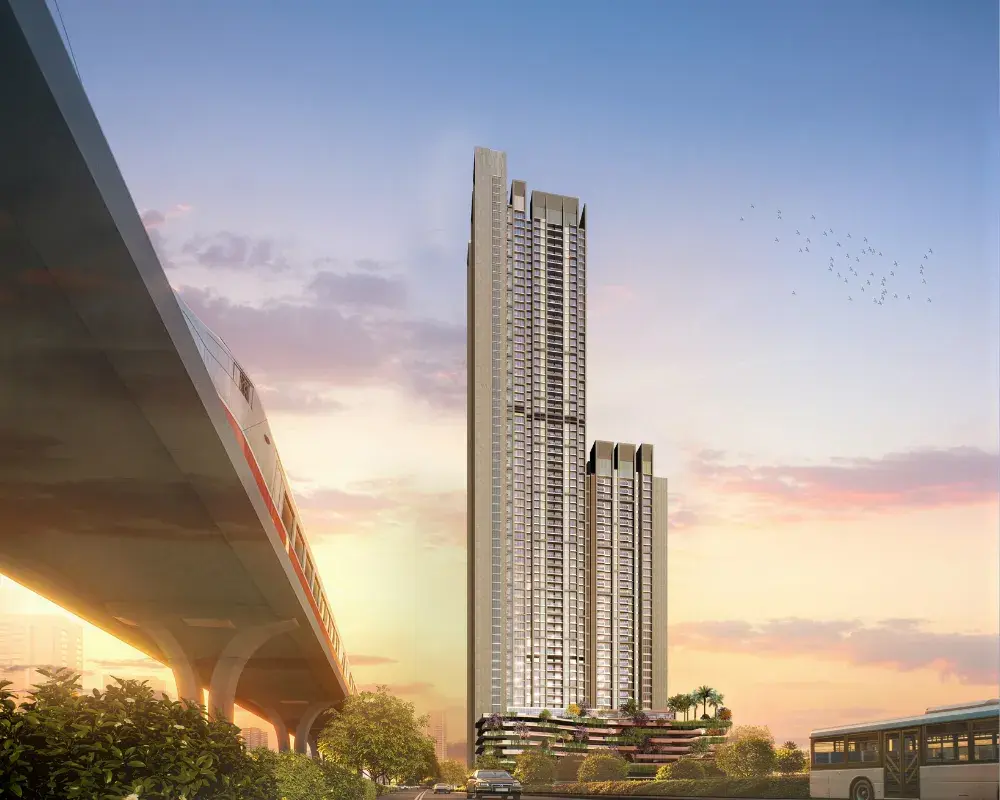
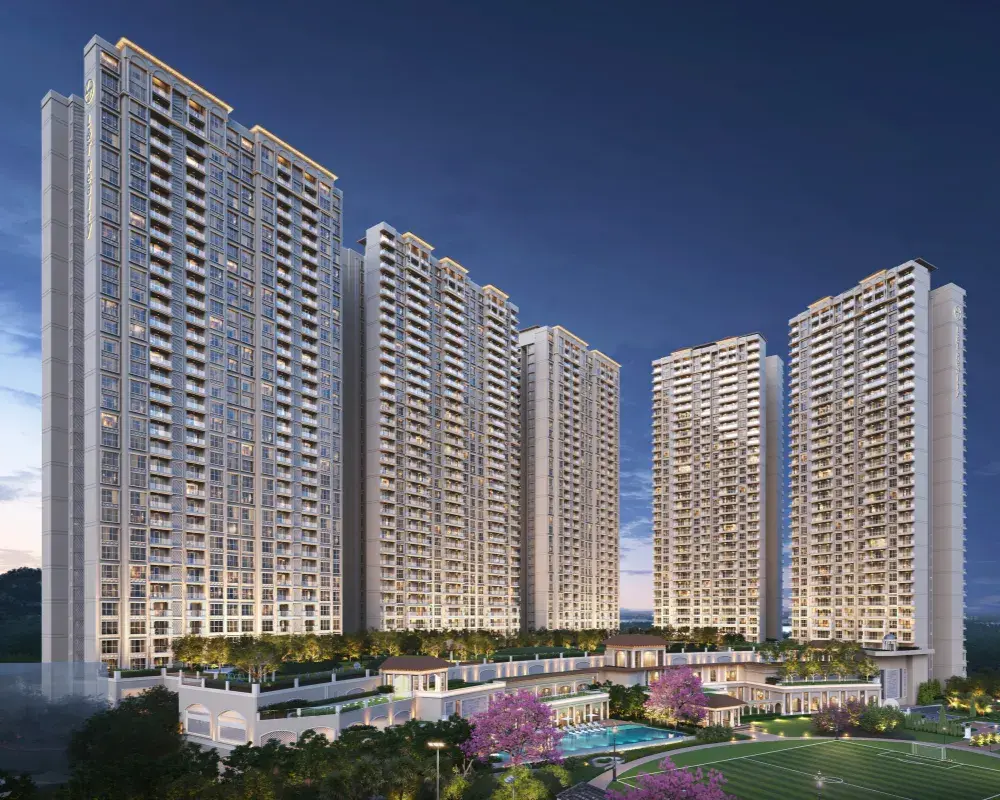
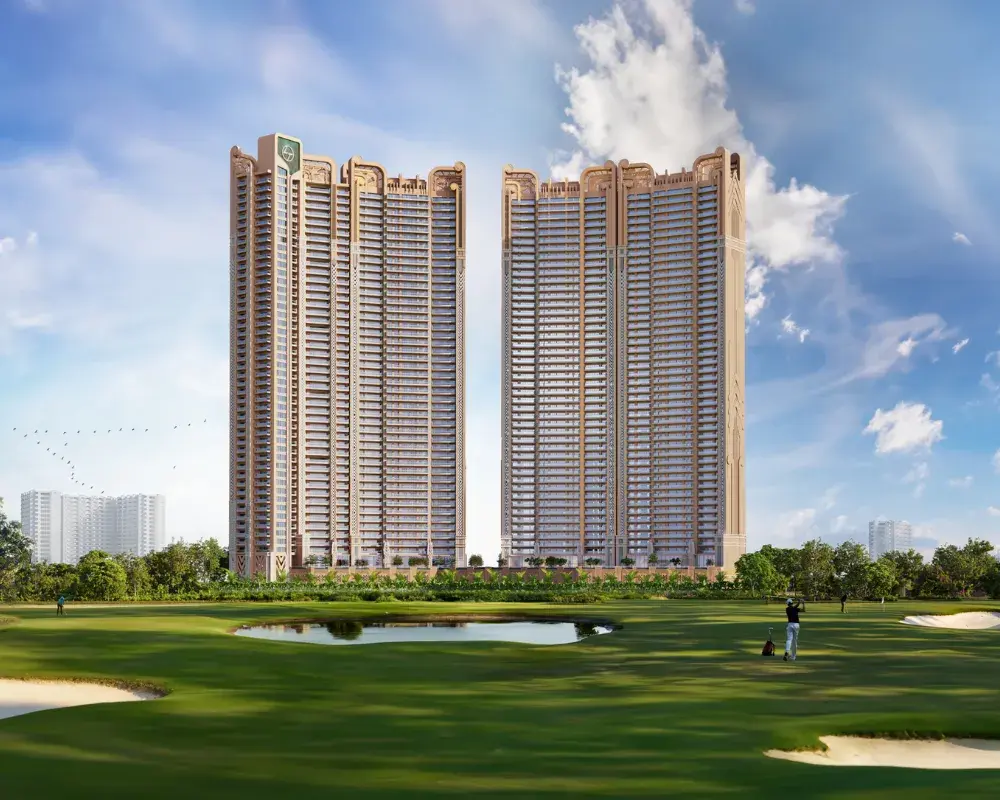
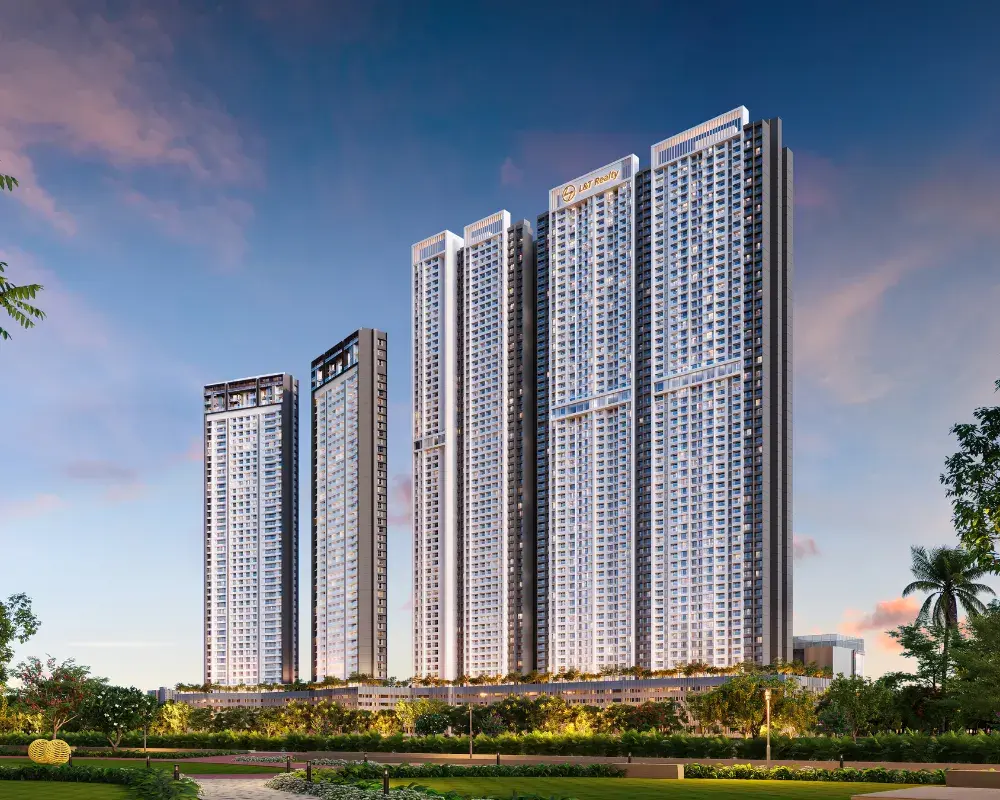
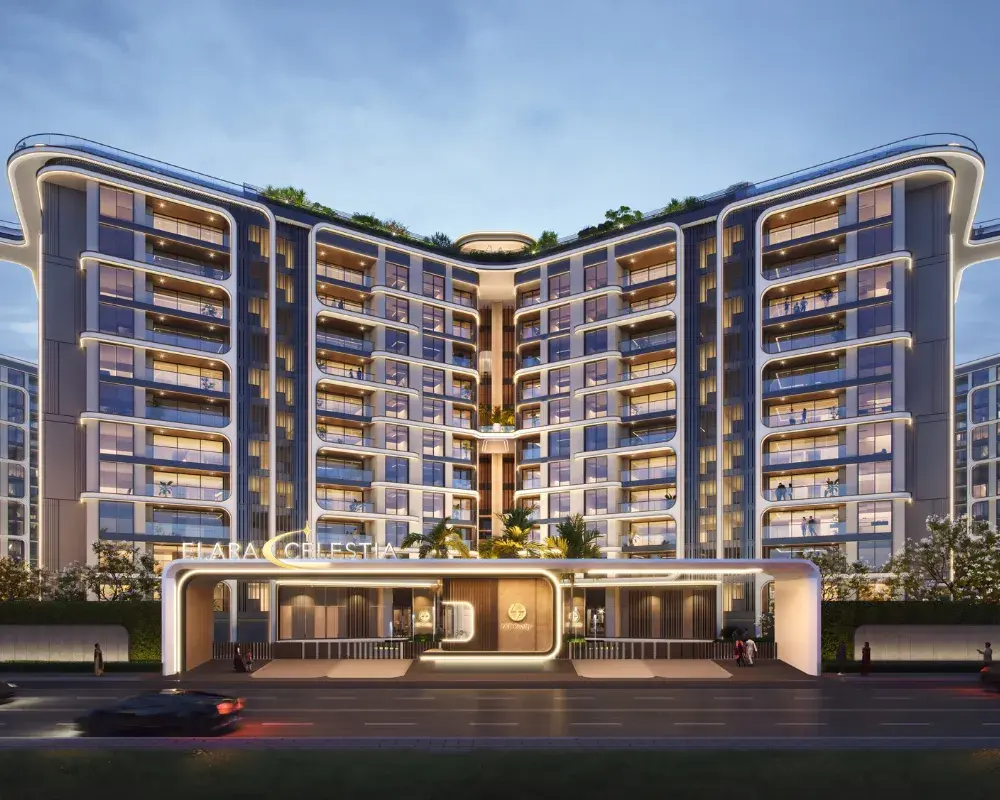
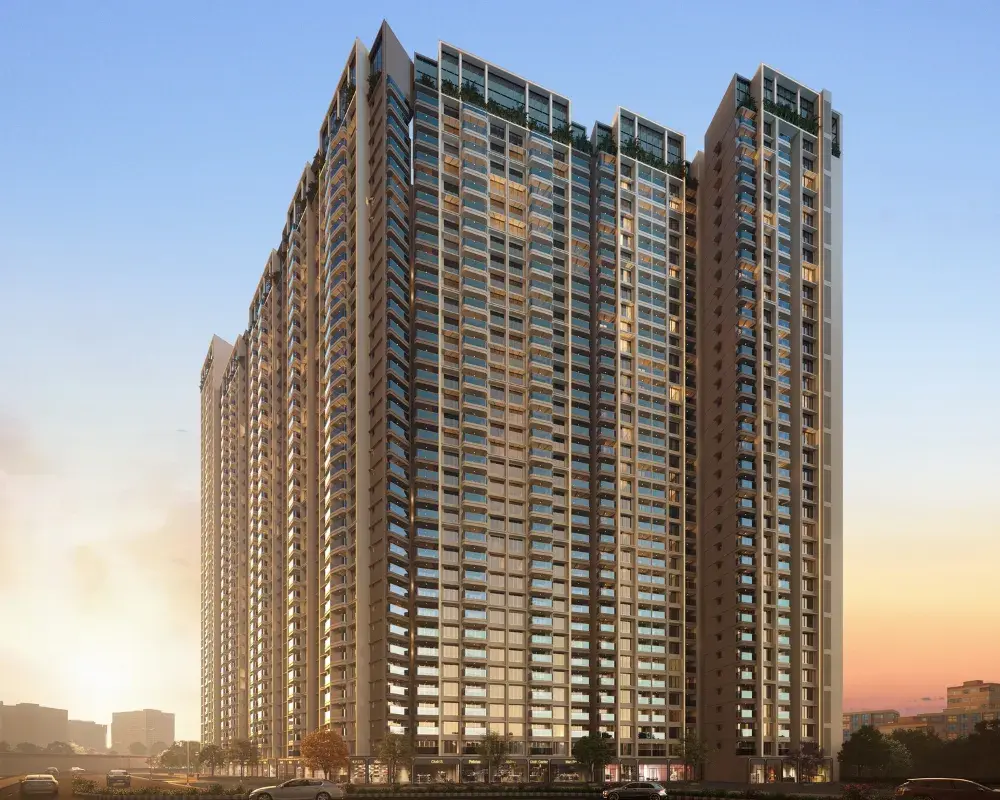
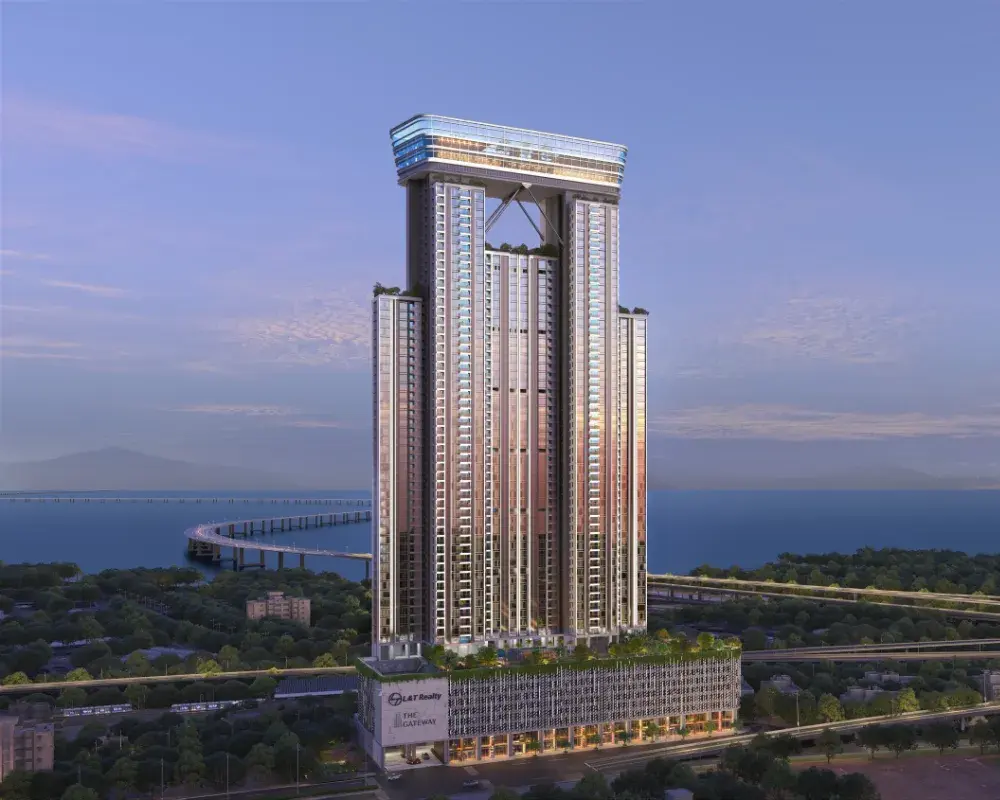
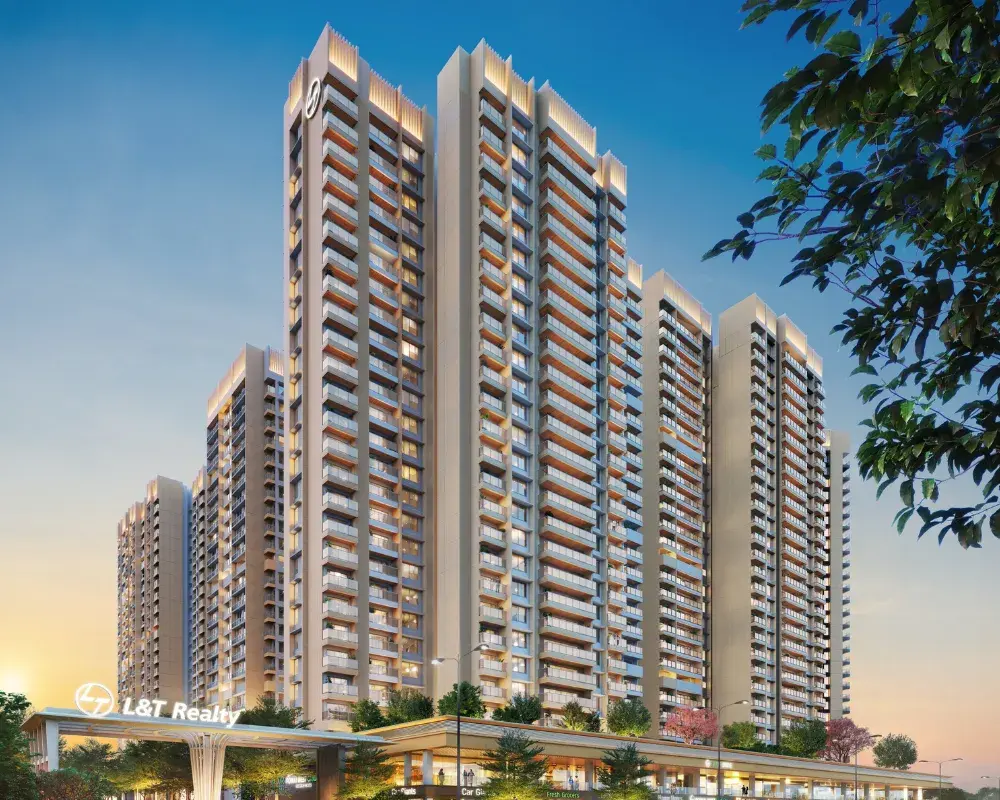
| Residential developments by L&T Realty combine smart security, integrated amenities, and well-planned spaces for a balanced community lifestyle. |