






.webp)



-1.webp)
-1.webp)
-2.webp)

-2.webp)
-1.webp)

RESIDENTIAL
All You Need To Know Before Making an Earnest Money Deposit for Buying a New House
•
5 mins read

You may be an aspiring home buyer looking to make a sizable purchase, specifically in the residential real estate world. There are a variety of other factors that are included which determine the overall nature and conditions of the purchase, regardless of whether you are looking to buy property that is ready to use or still under construction. One such major factor is earnest money. This is a common feature in many kinds of deals regarding purchase of property, whether it be purchase of an
apartment in Powai or property at any other location. We at L&T Realty have compiled this list to help any homebuyers to get a better grasp of what earnest money is, and how it works.
The Importance of Being Earnest (or In This Case, of Knowing What Earnest Money Is!)
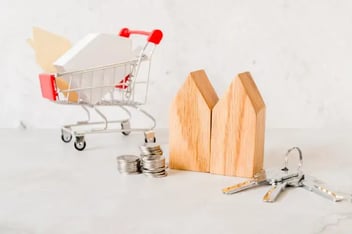
First Up: Get Acquainted With the Concept... Earnest money is the deposit that is paid from the buyer to the builder of the property, and it is meant to be a show of good faith that the buyer will follow through on the purchase of the property in question. The use of earnest money also extends the window when the buyer can perform any due diligence, such as valuing the property, securing their funding, etc. At the same time, the developer can also take the property off the market. In most cases, the earnest money has changed hands when the agreement of purchase has been signed. A deal is signed when the home buyer agrees to buy the property from the developer, however this is not necessarily binding, as they may find some issues with the property during the window following the payment.
Secondly: Know How To Do the Math... Earnest money, in many cases, can be a substantial amount of money, and it will typically depend on the overall price of the property in question. The whole point of earnest money is its role as a sort of safety net for the builder of the property, which is why it is usually never a small amount. In most cases, the amount of earnest money that is paid depends on whether the property is still undergoing construction or is ready to move in. This amount can also hinge on the state of the market of the region, whether you are looking at a
1 BHK in Ghatkopar or flats in Mulund, or elsewhere.
Thirdly: What If the Deal Doesn’t Go Through?... Considering the kind of money that could potentially be at stake when you pay earnest money, it is important that you have full confidence in the deal before you actually make such a transaction. While it is certainly considered as a kind of security when it comes to the stability of the deal, earnest money does not necessarily mean that the deal cannot fall through. The deal may fall through due to the buyer pulling out due to no fault by the developer. The consequences of such an occurrence hinges heavily on the “agreement of sale”, which essentially contains the terms and conditions of a sale from the developer to the buyer. This is why the buyer must be aware of any of the clauses in the agreement regarding a possible exit from the deal. It may include a forfeiture of a specific amount out of the total. If the deal falls through due to developer default such as failure to stick to a timeline, the agreement of sale will also include the process that should be followed. In most cases, this involves sending a letter to the developer regarding their violation of the agreement or any RERA guidelines. The developer will then be allowed a certain period of time to resolve the breach. If the developer delays in handling the breach, then they will need to pay the buyer a full refund with interest.
Lastly, and Most Importantly: Precautions to Take As mentioned earlier, the amounts that are typically exchanged in earnest money transactions are sizable, and therefore you will want to be as safe as possible with your money. There are a number of precautions one could take when they are looking to make such a deal, to maximize the security of their valuable money. A common measure that is taken is to avoid giving the money directly to the builder, and instead putting it in an escrow account or entrusting it to a legal firm. The money can remain in the escrow account until after the purchase transaction is complete, which is when it goes to the builder as a part of the main payment.
On a Parting Note: An earnest money deposit is just one of many other major factors that come into play in the process of buying residential property from a builder, whether it is property under construction in Bengaluru or ready to move in
3 BHK flats in Mumbai. It is used very commonly in the process, and can come with a wide variety of clauses and caveats. Therefore, it must be paid plenty of attention, given how much money it may involve for the buyer. This process also goes a lot more smoothly when you are dealing with a developer with a trusted name and successful track record such as L&T Realty.
Disclaimer: Stock image used for representational purpose only.